Ambient Lighting: What It Means and How to Get It Right at Home
Ambient light is the base layer every room is built on. What the term means, the fittings that create it and how to make it soft rather than flat.
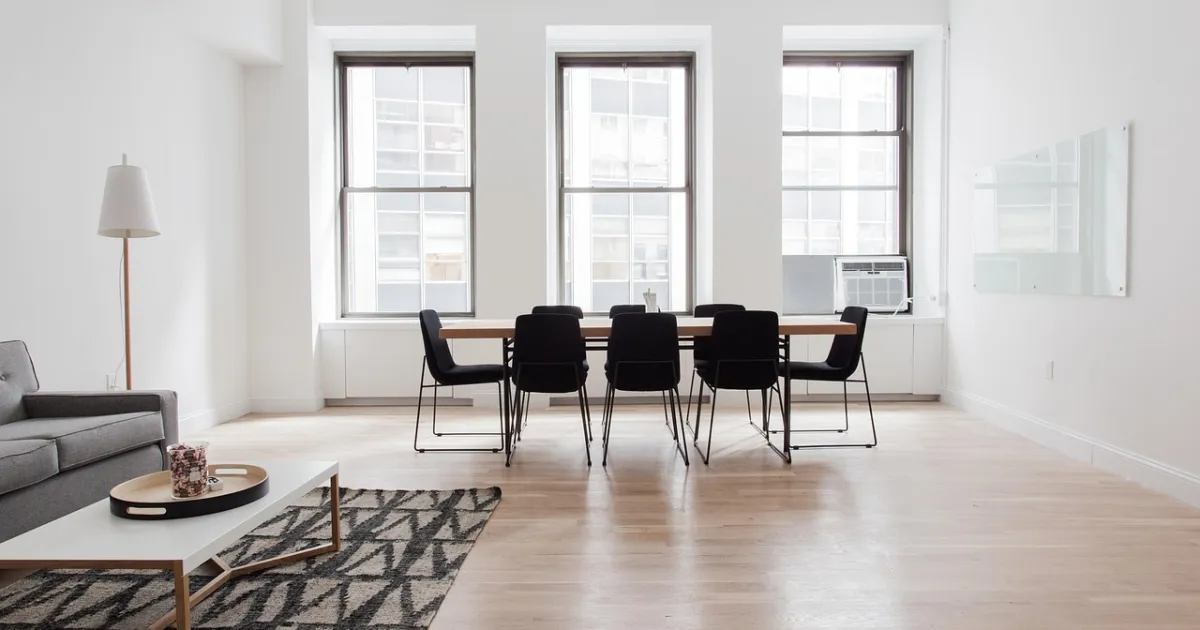
Ambient lighting is the general light that fills a room so you can see, move around and recognise faces without thinking about where the light comes from. Lighting designers often call it general lighting, and it is the first of the three layers, alongside task and accent light, that make a room work. Get it right and a room feels calm and even; get it wrong and it feels either gloomy or as flat as an office.
What ambient lighting means (two senses)
The phrase is used in two ways, and it helps to know which one people mean:
- In lighting design: the general, background layer of light in a room, from ceiling lights, pendants, downlights or indirect sources.
- In everyday and product language: soft, atmospheric light, often hidden LED strip behind a TV, under a bed or along a shelf. Packaging that says "ambient lighting" usually means this mood light rather than the main light of a room.
Both are about light you notice as an atmosphere rather than as a bright source, which is why the word "ambient" fits.
Ambient, task and accent
| Layer | Job | Typical fittings |
|---|---|---|
| Ambient | Even background light to see and move around | Ceiling lights, pendants with diffusing shades, downlights, cove lighting, uplighters |
| Task | Brighter, focused light for a job | Reading lamps, under-cabinet strips, mirror lights |
| Accent | Highlights and depth | Picture lights, spotlights, shelf lighting, garden uplights |
Our guide to home lighting design shows how the three layers come together across a whole house.
Direct and indirect ambient light
Ambient light can come straight from a fitting or be bounced off the ceiling and walls first.
- Direct: downlights, flush ceiling lights and pendants. Efficient and simple, but a single central fitting or a grid of downlights can cast hard shadows and leave walls dark.
- Indirect: cove lighting hidden in a ceiling recess, uplighters, wall washers and LED strip on top of joinery. The ceiling and walls become the light source, so the light is soft and almost shadowless.
The most comfortable rooms often combine the two: a dimmable pendant or a few well-placed downlights for direct light, and some indirect light to lift the walls and ceiling.
Why walls and ceilings matter
Much of what makes a room feel bright is what happens on its walls and ceiling. A room with lit walls feels larger and brighter than one with the same amount of light pooled on the floor. Pale, matt surfaces reflect a lot of light and spread it gently; dark paint, timber panelling and deep-coloured joinery absorb it, so a dark room needs more light, or light aimed at its surfaces, to feel equally bright. To size the amount of light, think in lumens rather than watts; see lumens explained.
Ambient room lighting, room by room
| Room | Ambient options |
|---|---|
| Living room | Dimmable pendant or downlights aimed at walls, plus lamps that add to the general glow |
| Bedroom | A soft pendant or ceiling light, cove or headboard strip for evenings |
| Kitchen | Downlights in front of benches or a diffusing ceiling light; task strips under cabinets |
| Bathroom | A moisture-rated ceiling light or downlights, mirror light for the face |
| Hallway | Wall lights or evenly spaced ceiling lights rather than one bright point |
In a lounge room, ambient light works hand in hand with lamps; see lounge room lighting ideas.
LED ambient lighting
LED strip has made indirect light easy to add. To make it look built in rather than added on:
- Hide the strip completely: in a ceiling recess, behind a pelmet, under a floating vanity or bed, or on top of tall cabinets.
- Use an aluminium channel with a diffuser, or a high-density strip, so you see a smooth line of light rather than a row of dots.
- Choose warm white for living spaces and match the colour temperature of the room's other lights.
- Put it on a dimmer or a smart controller; colour-changing strip is fun in a media room but rarely looks good as the main light.
- Keep the driver accessible and ventilated. New circuits and hard-wired drivers are a job for a licensed electrician.
Common mistakes
- Relying on one central ceiling light for everything.
- Laying out downlights in a grid with no thought for walls, furniture and artwork.
- Mixing warm and cool globes in the same room.
- No dimming: ambient light that suits cleaning is too bright for an evening.
- Visible bare globes, which add glare rather than atmosphere.
In Australia, installing or replacing hard-wired lighting must be done by a licensed electrician.
Questions
What is ambient lighting?
The general, background light in a room that lets you see and move around comfortably. It is the base layer, used together with task and accent lighting.
What is an example of ambient lighting?
A ceiling light or pendant with a diffusing shade, downlights, cove lighting hidden in the ceiling, or uplighters that bounce light off the ceiling.
Is ambient lighting the same as mood lighting?
Not quite. In design terms ambient light is the general layer; in everyday use people often call soft, hidden LED light "ambient". Mood comes from dimming and layering the two.
What colour should ambient lighting be?
In living areas and bedrooms, warm white around 2700–3000 K is the usual choice, kept consistent across the room.