Outdoor Lighting Ideas for Gardens, Patios and Backyards
Light the garden like a room: paths and steps for safety, a few trees uplit for depth, a warm glow on the patio. Ideas, fittings, IP ratings and what you can install yourself.
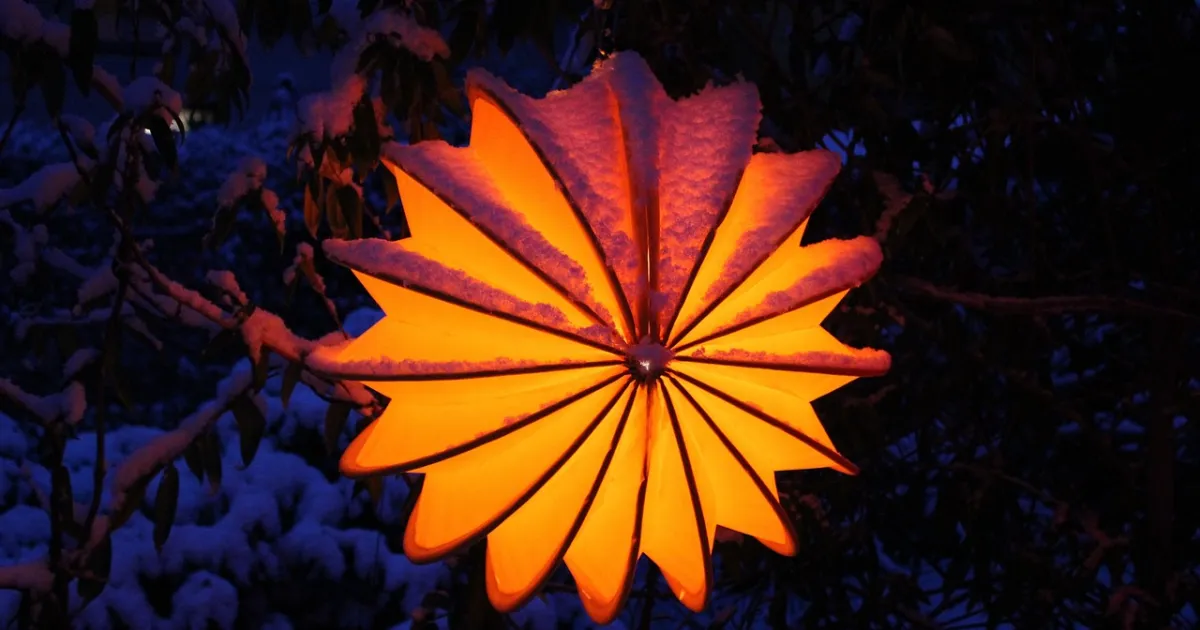
Good outdoor lighting makes a garden usable after dark and turns the view from inside into part of the room. The trick is restraint: a few well-placed lights, warm in colour and aimed at things worth seeing, look far better than a floodlit yard.
Start with a plan
- Safety first: paths, steps, gates and level changes.
- Living areas: the patio, deck or outdoor kitchen.
- Features: one or two trees, a wall, a water feature or sculpture.
- The view from inside: look out from the living room at night and light what you want to see.
Ideas by area
| Area | Idea | Fittings |
|---|---|---|
| Paths | Low pools of light every 1.5–2 m, staggered | Bollards, spike lights |
| Steps | Light each tread or the side of the stairs | Recessed step lights, strip under treads |
| Trees | Uplight the trunk and canopy from below | Spike spotlights, in-ground uplights |
| Walls and hedges | Wash or graze for texture | Wide-beam spots, wall washers |
| Patio and deck | Warm overhead glow for eating outside | Festoon lights, wall lights, outdoor pendants |
| Pool and water | Reflection and safety | Pool-rated lights, underwater spots |
| Entry | Welcoming light at face height | Wall lights either side of the door |
Patio lighting ideas
- Festoon lights zig-zagged over the table on a dimmer.
- An outdoor-rated pendant over the dining table under a covered pergola.
- Wall lights that throw light both up and down.
- LED strip under the bench of a built-in seat or outdoor kitchen.
- Rechargeable lanterns for flexible, cordless light.
Choosing fittings
- IP rating: the second digit is water protection. IP44 is a minimum for covered areas, IP65 for exposed walls and gardens, IP67 or higher for in-ground lights.
- Materials: marine-grade stainless steel, solid brass or copper and powder-coated aluminium cope with coastal air.
- Colour: warm white (2700–3000 K) flatters plants and stone; cool light looks harsh outdoors.
- Shielding: shielded fittings aimed down or at a target cut glare and light pollution, which also matters to neighbours and wildlife.
Solar, 12 V or 240 V?
| System | Pros | Cons |
|---|---|---|
| Solar | No wiring, easy to move | Weaker, depends on sun, shorter life |
| 12 V plug-in kits | Brighter, reliable, plug-in transformer for DIY | Cables to run and protect |
| 240 V hard-wired | Most powerful, permanent | Must be installed by a licensed electrician |
Controls
A timer or dusk-to-dawn sensor turns lights on automatically; motion sensors suit side paths and driveways. Smart controllers let you set scenes for dinner outside or for security.
For inside, see our kitchen lighting ideas and pendant lights guide.
Questions
What IP rating do outdoor lights need?
At least IP44 under cover, IP65 for exposed positions and IP67 or higher for in-ground lights.
Should outdoor lights be warm or cool white?
Warm white (2700–3000 K) usually looks best and is gentler on neighbours and wildlife.
Can I install garden lights myself?
Plug-in 12 V kits and solar lights are designed for DIY. Anything hard-wired to 240 V must be installed by a licensed electrician.